Home - Knowledge Base - Why Water Quality is Important for the Poultry Industry
Why Water Quality is Important for the Poultry Industry
Facebook
Twitter
LinkedIn
Email
Article ID: KBA-2
Date: November, 2021
Poultry Water Quality is Essential
Poultry water quality is essential for the success of any chicken production operation. It is the one element that must never be overlooked, as it constitutes 70% of a hen’s body weight, and egg production directly correlates with the amount and quality of drinking water available. Studies have shown that chickens are more affected by insufficient water than by food shortages.
However, since not simply the quantity of water is linked to productivity but also its quality, it makes sense to look into the purity of the water and its distribution system. To avoid disease, the number and kind of bacteria, viruses, and parasites in the water supply must be considered while assessing its quality.
Scale and biofilm buildup may lead to secondary bacterial contamination, clogged drinkers, and leaking nipples, adversely affecting animal health and productivity and increasing remediation costs.
Water quality and purity
Assess the purity of the water and its distribution system to ensure it meets quality standards.
Evaluate the presence of bacteria, viruses, and parasites in the water supply to prevent diseases.
Impact of scale and biofilm buildup
Scale and biofilm accumulation can result in secondary bacterial contamination.
Problems such as clogged drinkers and leaking nipples negatively affect animal health and productivity.
Cost implications
Poor water quality due to contamination leads to increased remediation costs.
Drip Feeder Examples
Hens Drinking From Drip Feeders
Hens Drinking From Drip Feeders
Chickens Drinking From Drip Feeders
Chickens Drinking From Drip Feeders
High Mineral Content Can Cause Hen Health Issues
Mineral levels, especially iron, magnesium, and manganese, are additional factors that influence water quality. Elevated mineral concentrations can affect water usage, system efficiency, and poultry health issues. Elevated iron levels, for instance, can encourage the growth of bacteria such as Pseudomonas and E. coli.
These high iron concentrations may also stimulate the proliferation of iron bacteria, leading to diarrhoea. An excess of magnesium, when combined with sodium, forms Epsom salt, which can result in loose stools.
Furthermore, excessive manganese may impart an unpleasant taste and lead to reduced water intake. Producers must also be mindful of the risk of cross-contamination and the quality and maintenance of their water systems.
Common issues
High mineral content: High iron, magnesium, and manganese concentrations significantly impact water quality and hen health.
Elevated iron levels: Elevated iron levels can promote the growth of bacteria such as Pseudomonas and E. coli.
Iron bacteria proliferation: High iron concentrations can lead to diarrhea in poultry.
Excess magnesium: Magnesium, combined with sodium, forms Epsom salt, which may cause loose stools.
High manganese levels: Can reduce water intake due to an unpleasant taste.
Water quality and maintenance: Improper water quality and system maintenance increase the risk of cross-contamination.
Chemical Treatment and Monitoring
Chemicals can effectively address specific issues but have several drawbacks, including high concentrations, unpleasant taste and odour, and safety concerns. Therefore, alternative solutions should be explored.
Handling chemicals like chlorine poses risks to worker safety. Moreover, resilient, spore-forming parasites such as Cryptosporidium show increasing chlorine resistance. In contrast, iodine-based disinfectants are more cost-effective than chlorine, as they require less monitoring.
Chlorine Disinfectants
Widely used for water and surface disinfection.
Requires regular monitoring of concentration levels to maintain efficacy.
Less effective against resistant pathogens like Cryptosporidium.
Iodine-Based Disinfectants
More cost-effective and efficient in specific applications.
Requires minimal monitoring compared to chlorine.
Effective against a broader range of pathogens.
UV Disinfection
A non-chemical approach using ultraviolet light to neutralize microorganisms.
Requires specialised equipment and regular maintenance.
Ozone Disinfection
A powerful oxidizing agent is effective against various microorganisms.
Requires on-site generation equipment due to its instability.
Monitoring of ozone levels is critical to ensure safety.
Advanced Filtration Systems
Often combined with chemical treatments to enhance effectiveness.
Removes physical contaminants and microorganisms.
Requires routine maintenance and filter replacement.
Have Your Water Tested and Analysed
To identify the most suitable filtration method for your requirements, testing or analysing your water is essential. If your water source is clean, you’ll need antibiotics less often. Moreover, chemicals such as chlorine might not only be ineffective but also potentially harmful. They cannot address all water quality concerns either.
What water tests can be performed?
Microbial testing: Microbial testing identifies harmful bacteria, viruses, and parasites, such as E. coli and Cryptosporidium, in the water supply.
Chemical testing: Checks for harmful chemicals, including chlorine, nitrates, heavy metals, and pesticides.
pH testing: Assesses the acidity or alkalinity of the water to ensure it falls within safe and acceptable ranges.
Hardness testing: Measures mineral content, such as calcium and magnesium, which can cause scaling in pipes and appliances.
Turbidity testing: Determines water clarity by measuring suspended particles’ presence.
Total Dissolved Solids (TDS): Tests for the concentration of dissolved salts, minerals, and other solids affecting water quality.
Metal Contamination testing: Detects toxic metals such as lead, arsenic, and mercury, which pose serious health risks.
Filtration Reduces Microorganisms and Solid Particulates
Several alternative methods for treating water exist in addition to conventional chemicals. Filtration removes microorganisms and solid particles, helping to prevent blockages in water systems and resulting in a healthier environment.
Aeration is another technique that removes hydrogen sulphide, reduces dissolved carbon dioxide, and oxidises iron and manganese, among other benefits. However, aeration is an energy-intensive process, which can lead to significant energy waste. Additionally, aerating water can promote algae growth, potentially clogging water systems.
Common filtration methods
Sand filtration: This method uses layers of sand to trap and remove impurities, including microorganisms and solid particulates. It is widely used in water treatment due to its simplicity and cost-effectiveness.
Membrane filtration: This technique effectively eliminates bacteria, viruses, and other microscopic contaminants by utilising semi-permeable membranes. Common forms include microfiltration, ultrafiltration, and reverse osmosis.
Activated Carbon filtration: Often used to remove organic compounds and particulate matter, activated carbon filters also improve taste and odour by absorbing impurities through their porous structure.
Water Softeners and Reverse Osmosis
Water softeners effectively remove soluble minerals such as iron, manganese, and calcium, which can lead to issues like scale build-up in pipes and appliances. These minerals dissolve in water, making eliminating them from the supply easier for water softeners.
In contrast, cloudy water often indicates the presence of undissolved contaminants or impurities, which can result from sediment, organic matter, or even microorganisms. Reverse osmosis is widely recognised as one of the most effective methods for reducing harmful substances such as chloride, salt, and nitrates in drinking water.
Reverse Osmosis Process
The reverse osmosis process involves pushing water through a specialised series of semi-permeable membranes under high pressure. This mechanism effectively separates contaminants from the water, allowing pure water to pass while retaining the unwanted substances on the other side of the membrane.
As a result, reverse osmosis systems can significantly improve water quality, making it safer and more pleasant for consumption and use.
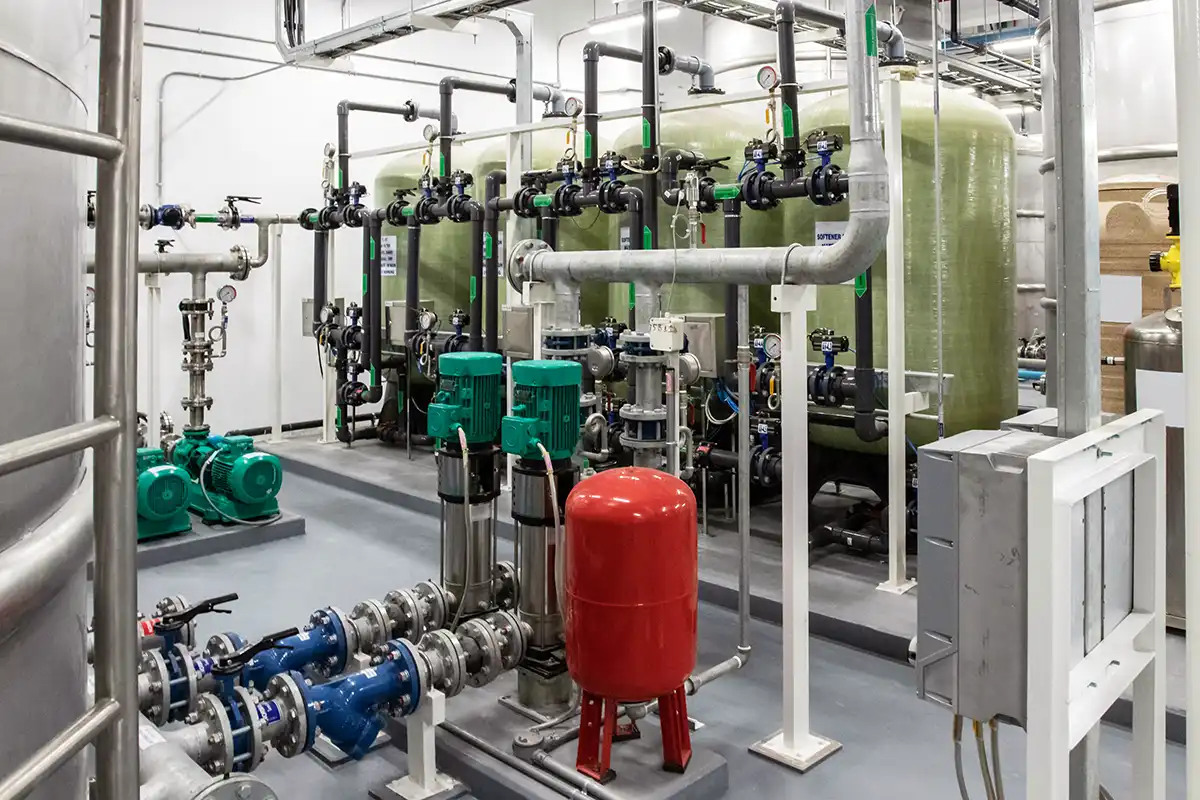
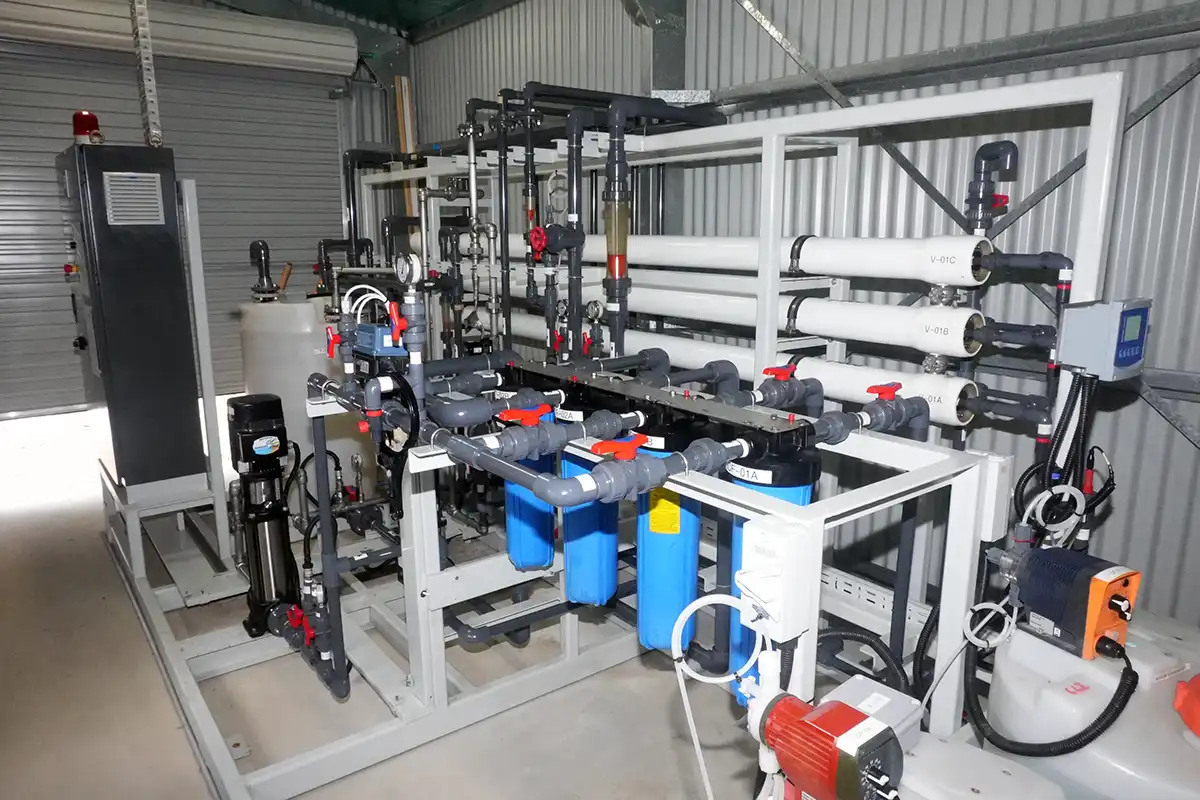
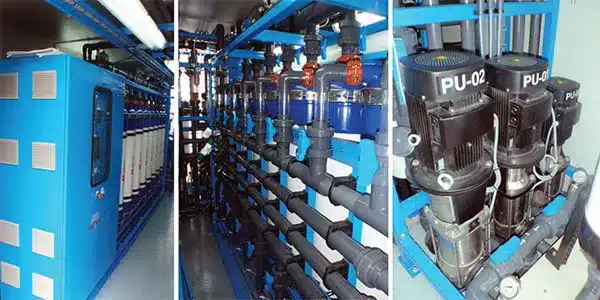
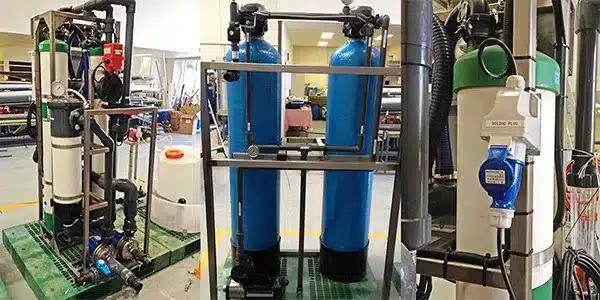
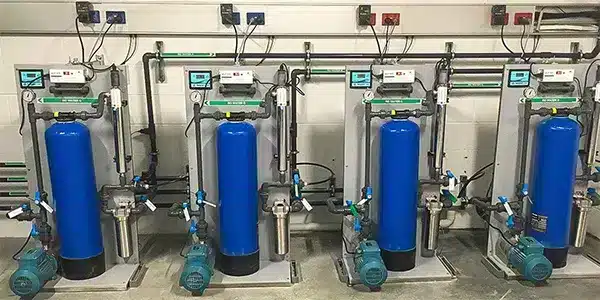
Example Reverse Osmosis & Water Softener Treatment Systems
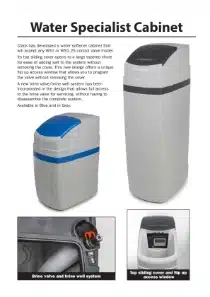
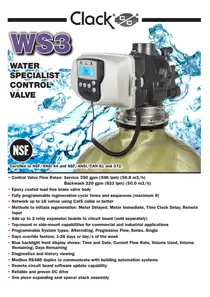
Industrial Water Softener System
Industrial Water Softener System
Comercial Reverse Osmosis System
Comercial Reverse Osmosis System
Having issues? Dowdens Can Help!
Ensuring access to clean, high-quality water is crucial for the poultry industry, and Dowdens specialises in delivering tailored solutions to address water quality challenges specific to poultry operations.
Hard Water Solutions
Hard water, which contains elevated levels of calcium and magnesium, can lead to scale build-up in water lines and equipment, complicating maintenance and potentially impacting poultry health and productivity.
To tackle hard water issues, Dowdens provides advanced water softener systems that effectively manage mineral content. These systems help maintain the integrity of plumbing systems and extend the lifespan of equipment, ensuring a consistent supply of high-quality water for poultry.
Harmful Impurity Solutions
Concerned about cloudy water or harmful impurities such as chloride, salt, and nitrates, Dowdens recommends state-of-the-art reverse osmosis systems. These systems use semi-permeable membranes to thoroughly filter out contaminants, delivering pure, safe water essential for poultry well-being and growth.
Over 50 Years of Experience
With years of experience in the industry, Dowdens offers professional guidance in selecting and implementing the right water treatment systems, empowering poultry operators to address water quality issues confidently and efficiently for improved animal health and operational success. Contact the Dowdens team today to get started.
Dowdens Pumping & Water Treatment offers a wide range of water treatment solutions. Our extensive selection allows us to provide customised solutions for any project, supported by our industry-trained engineers, draftsmen, project managers, salespeople, and tradespeople who can design tailored solutions for various purposes.
Our experienced team is ready to assist you in selecting the right products to meet your needs. Whether you require an immediate solution or are planning for the long term, we can help you source the products necessary for a successful installation.
SKU: ATL-BIGFPRO256-C
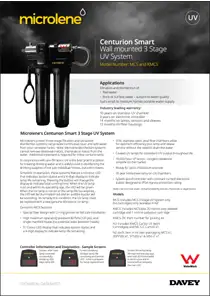
Atlas Filtri BIG F Pro 256 with 5 Mic Carbon 20″ BIG – UV Filtration System
Dowdens Pumping & Water Treatment provides comprehensive services across various industries, including tailored Asset Management, a user-friendly Document Library, and Engineering, Procurement, and Construction (EPC) services for large projects.
Our Knowledge Base aids in troubleshooting pumping and water treatment challenges, while branches in Mackay, Rockhampton, Brisbane, and Proserpine offer convenient access to workshop and field services.
Additionally, the Photo Library showcases completed projects, a skilled Solutions Engineering team for design and system servicing, and a Video Library with informative content.
At Dowdens, we are committed to providing our customers with the resources they need to make informed decisions and achieve their goals. That’s why we maintain a comprehensive Document Library brimming with valuable insights about our latest product offerings, industry expertise, and real-world applications.
Dowdens has a large video library that we hope will provide insights and help you better understand how our products work and can be used. You can view our entire library by clicking on the link below.
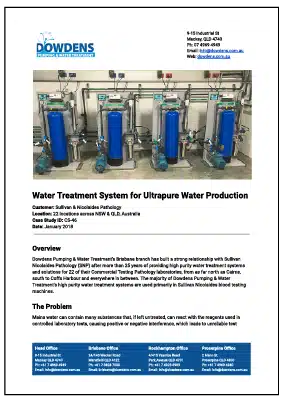
Looking for more information, our Case Studies provide detailed insights into various projects that Dowdens Pumping & Water Treatment has effectively managed and completed.
The Dowdens Team are ready to help. Contact us today for more information and to start the conversation.
Our Locations
Dowdens has four convenient locations throughout Queensland. We have branches in Mackay and Proserpine in the north, servicing the Sugar and Coal industries, a centrally located branch in Rockhampton, specialising in the Agricultural and Coal industries, and a branch in Brisbane, servicing multiple industries in southeast Queensland.