Home - Knowledge Base - Solar Irrigation Pumps: Sustainable Water Solutions For Remote Areas
Solar Irrigation Pumps: Sustainable Water Solutions For Remote Areas
Facebook
Twitter
LinkedIn
Email
Article ID: KBA-10
Date: February, 2025
Dependable Solar Irrigation Systems
Solar irrigation pumps will help ensure your land is adequately irrigated. It shouldn’t feel like a never-ending battle. If you manage farmland or a remote property, you know how frustrating it can be to get water where and when needed. Traditional irrigation pumps rely on diesel or electricity — both expensive and sometimes unreliable. With rising fuel prices, power outages and constant maintenance, staying on top of irrigation is more challenging than ever.
Without a dependable irrigation system, crops can suffer, yields may drop, and operating costs can become overwhelming. Many farmers stick with traditional pumps, but these systems often come with hidden challenges that make irrigation more costly and less efficient.
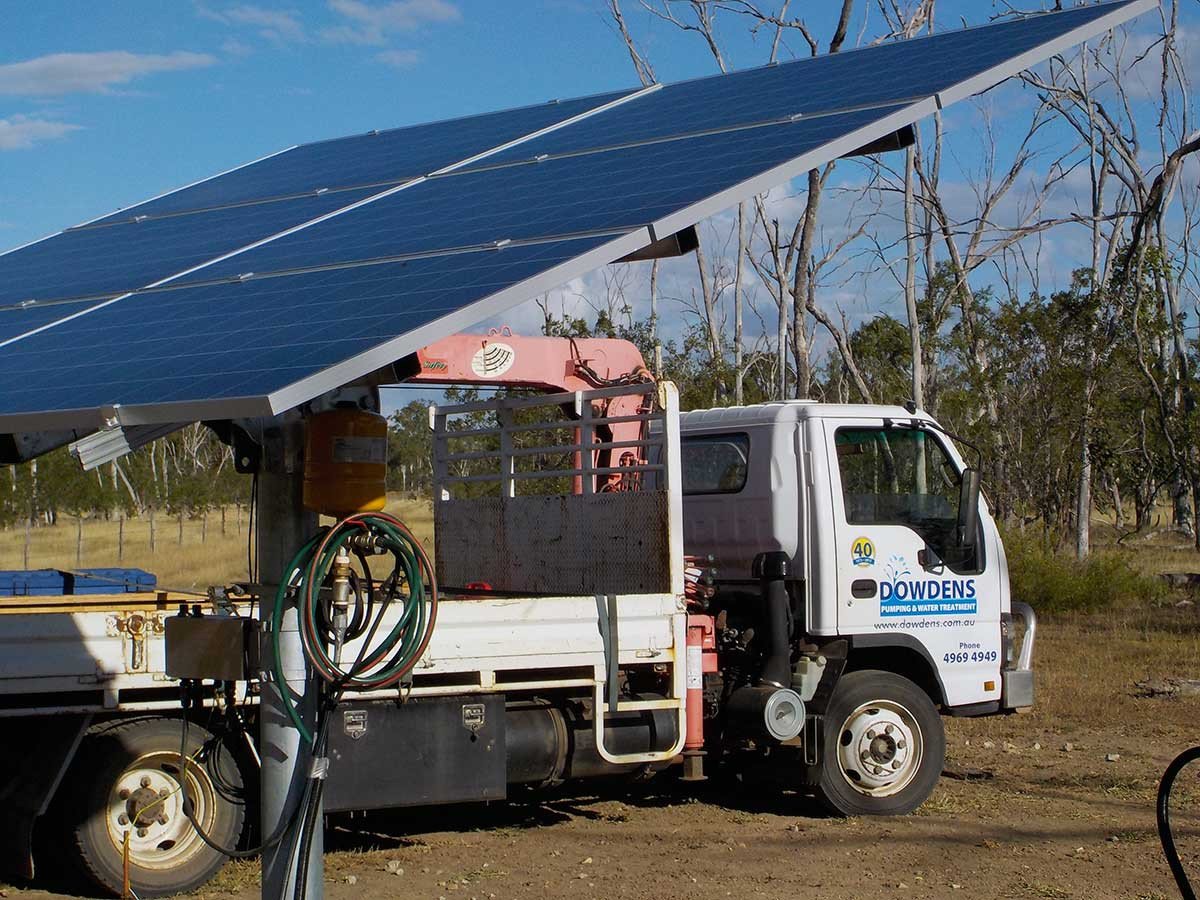
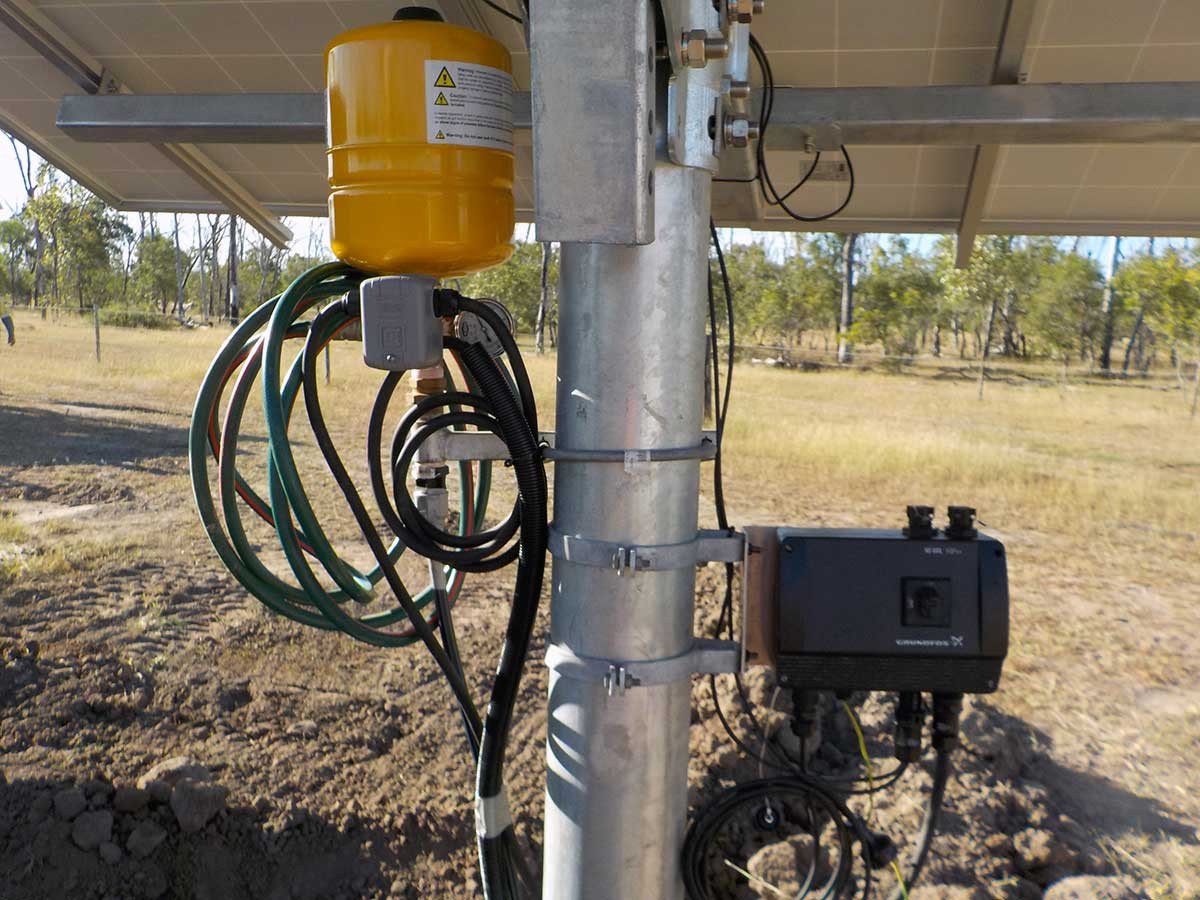
Cattle Station Solar Pumping Install
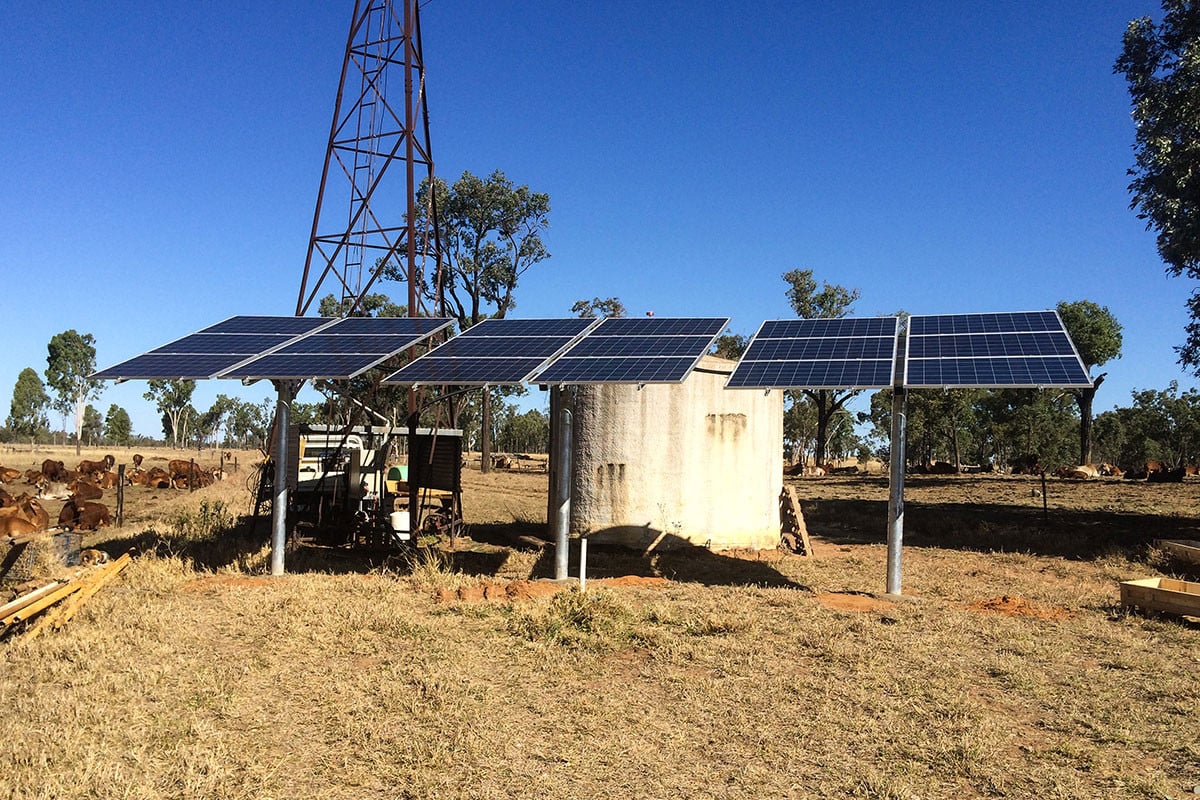
Cattle Station Solar Pumping System
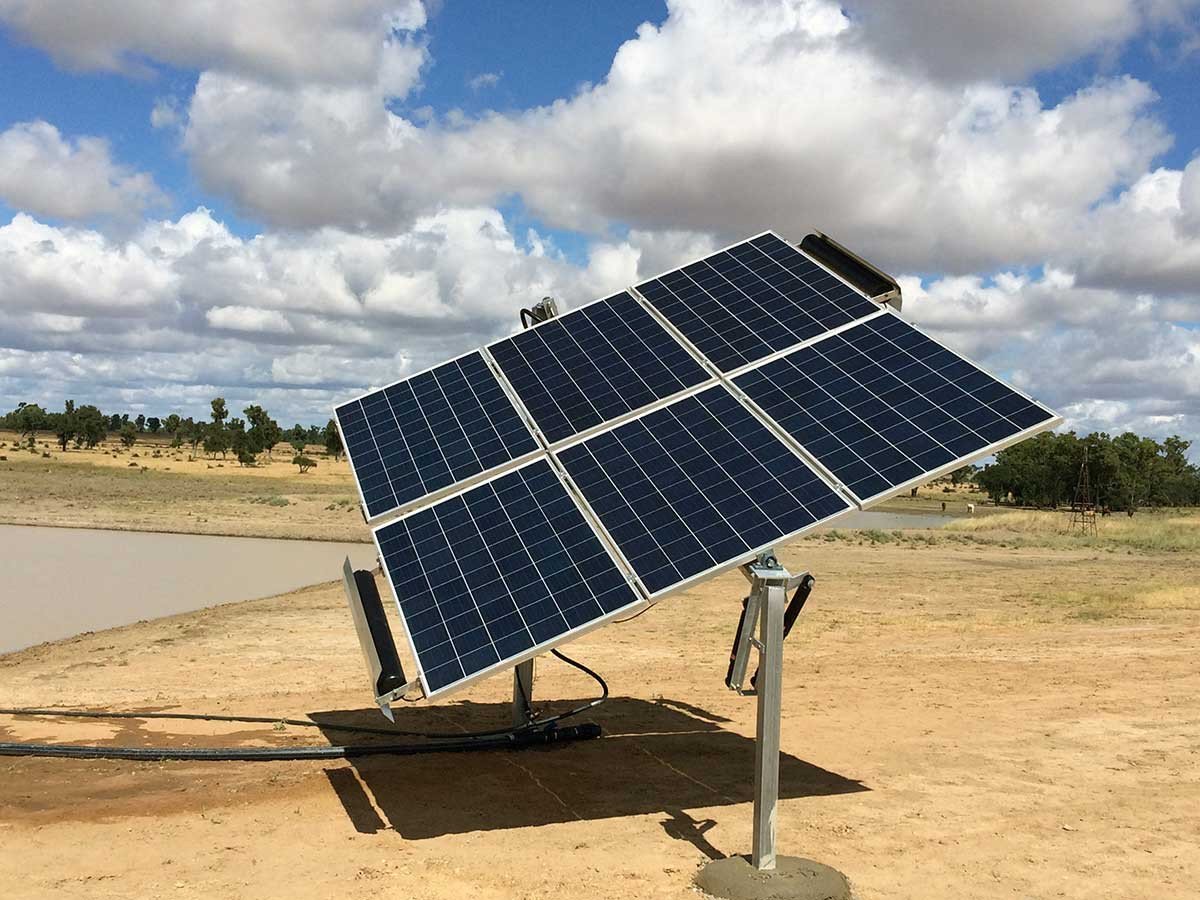
Solar Pumping System Delivering Dam Water
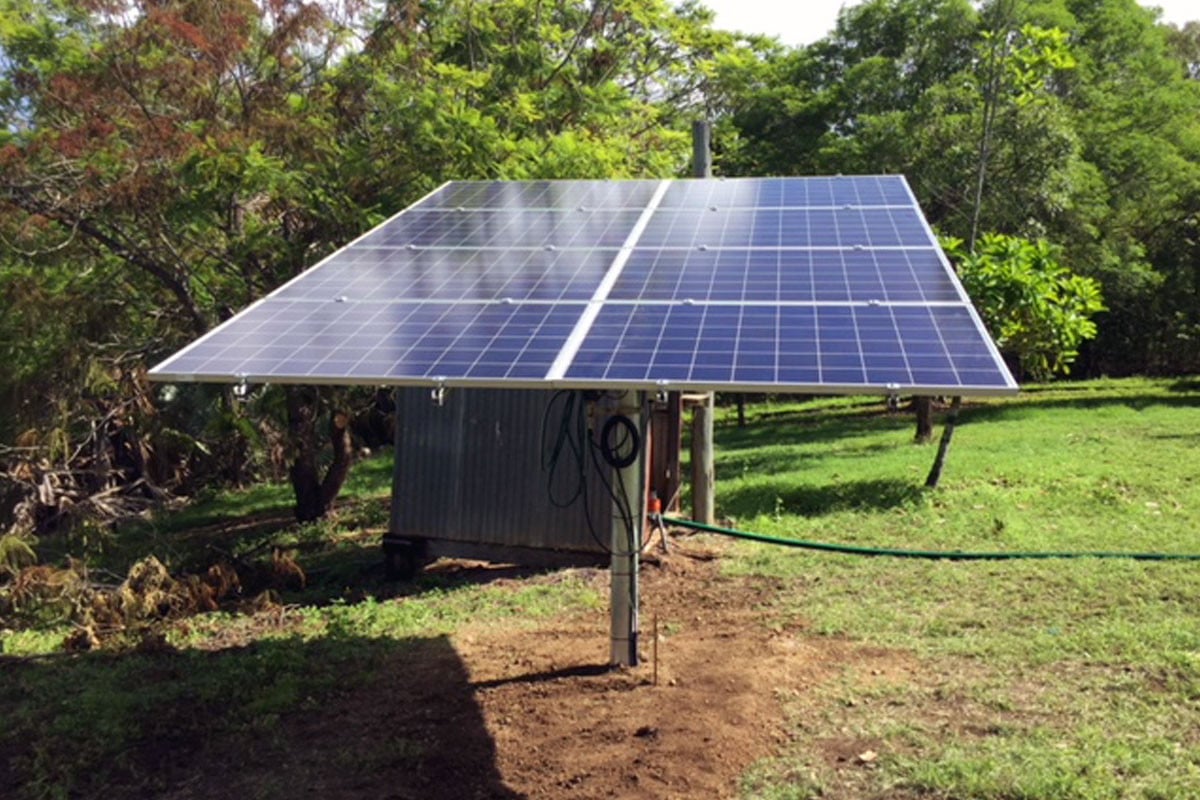
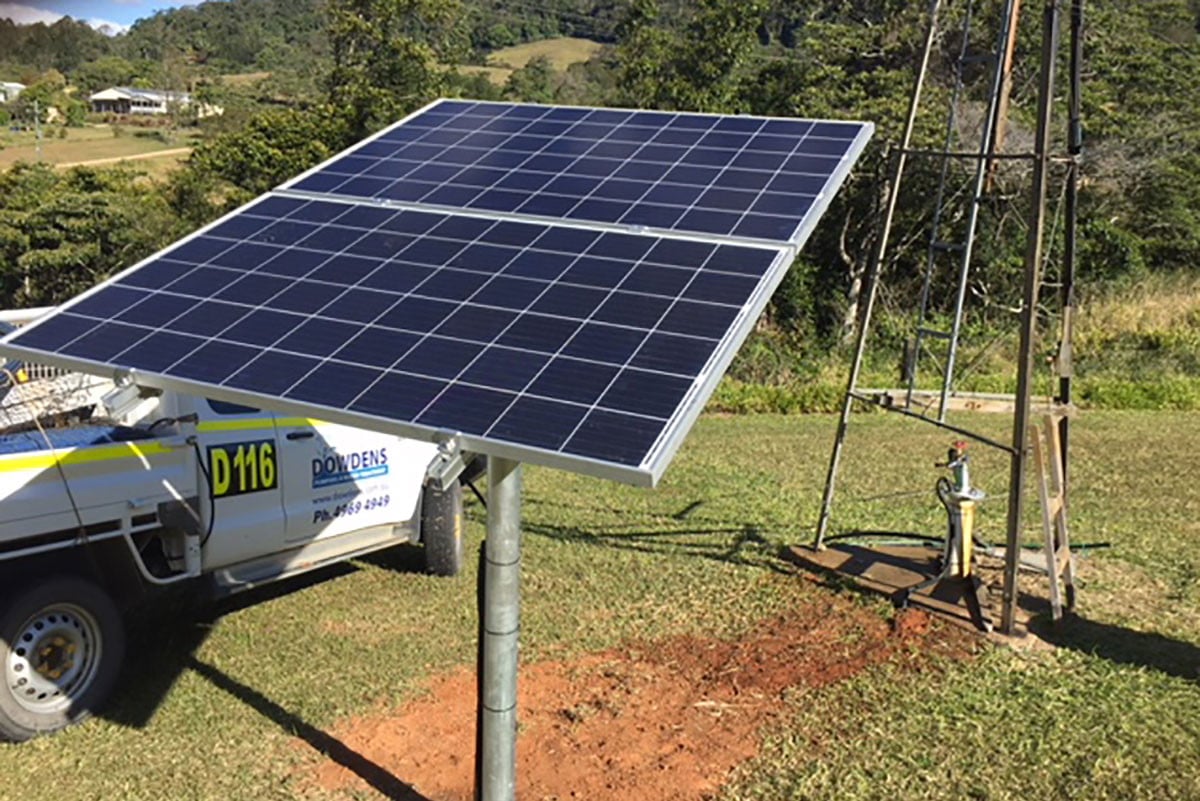
Residential Solar Pumping System
Solar Pumping Commissioning
Solar Irrigation
Private Residence Pumping Solar Bore Pump
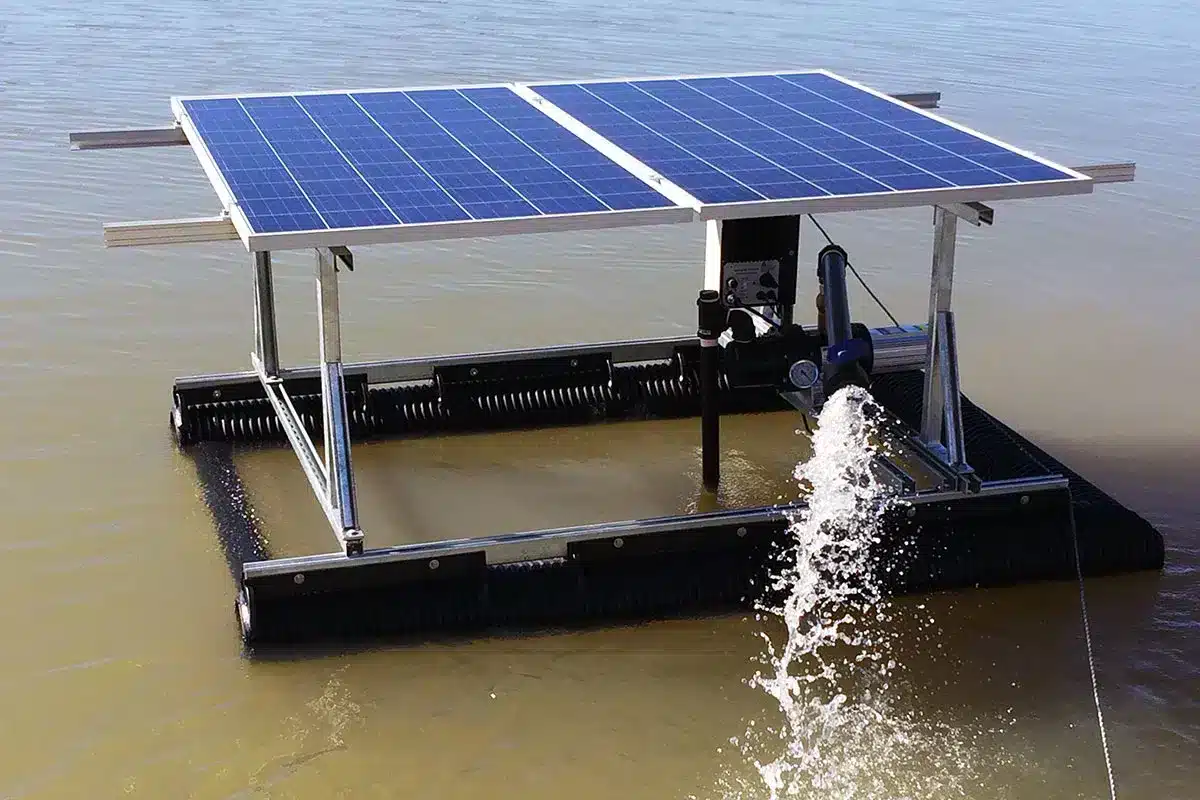
Unique Floating Solar Pump
Why a Traditional Irrigation Pump is Holding You Back
Diesel-powered pumps require constant refuelling, which quickly becomes expensive. Fuel prices fluctuate, making it challenging to predict operating costs. Over time, these expenses add up, putting financial strain on farmers and landowners.
Beyond fuel costs, mechanical wear and tear leads to frequent maintenance and repairs. Downtime affects irrigation schedules, creating additional challenges for crop management — a system that constantly needs attention is neither practical nor cost-effective.
On the other hand, electric pumps may seem like a better alternative, but they rely on the grid. In remote areas, power outages, high electricity costs and limited infrastructure make them unreliable. A dependable irrigation pump should work when needed without the risk of unexpected failures.
The smarter choice: Solar Irrigation Pumps
Solar irrigation pumps harness energy from the sun, removing the need for fuel or electricity. They offer a cost-effective alternative to traditional pumps with no ongoing energy costs. These systems operate reliably with minimal maintenance, and their durability makes them a practical choice for remote areas where access to fuel or grid power is limited.
Why more farmers are choosing solar-powered irrigation pumps
More farmers are moving away from traditional diesel and electric pumps in favour of solar-powered irrigation. Below are the key reasons solar-powered irrigation pumps are their preferred choice, especially in remote areas.
Lower operating costs: Solar-powered pumps reduce reliance on the grid, reducing long-term irrigation costs. Once installed, they operate using free energy from the sun, providing a cost-effective solution that pays for itself over time.
Reliable and low-maintenance: Unlike diesel or electric pumps that require constant refuelling or depend on grid power, solar-powered systems operate reliably in remote areas with adequate sunlight, ensuring uninterrupted operation.
Environmentally friendly: Solar irrigation pumps produce no emissions, helping farmers reduce their carbon footprint. Landowners can irrigate efficiently by choosing a renewable energy source while contributing to a more sustainable future.
Built to last: Some quality solar-powered irrigation pumps can operate effectively in harsh conditions and have longer lifespans with proper maintenance. For farms with adequate sun exposure, these systems often pay back their initial investment through reduced energy costs compared to diesel pumps.
Solar Irrigation Pump Options
Pump Types
Submersible Pumps: These pumps are submerged in the water source (well, pond, etc.) and are ideal for deep wells or when suction lift is challenging. They are generally more efficient than surface pumps.
Helical Rotor Pumps: Excellent for high lift and low flow applications.
Centrifugal Pumps: Suitable for higher flow rates but require a minimum speed to operate.
Surface Pumps: These pumps sit outside the water source and are best for shallow wells or surface water sources. They are typically easier to install and maintain than submersible pumps.
System Configurations
Direct Coupled Systems: The solar panels are connected directly to the pump, which operates only with sufficient sunlight. These simple and cost-effective systemsIf you need a reliable, cost-effective solution for your farm or a fully customised pumping system, Dowdens is the right fit. Contact us today to take the next step toward more innovative irrigation. may not consistently provide daily water flow.
Battery-Based Systems: These systems include batteries that store energy from the solar panels, enabling the pump to operate even when sunlight is unavailable. This provides a more consistent water flow, which can benefit nighttime irrigation.
Hybrid Systems: These systems utilise solar energy with an additional power source, such as grid electricity or a generator. This configuration can be a backup power source during inadequate sunlight or increased water demand.
Key Components of a Solar Irrigation System
Solar panels generate electricity based on the pump’s power needs and sunlight availability, with the pump moving water to the irrigation system. At the same time, a controller regulates energy flow and may offer automatic features. An optional storage tank can hold water for later use, and piping transports the water to the irrigation system.
Solar Panels: These panels convert sunlight into electricity. The size and number of panels depend on the power requirements of the pump and the available sunlight.
Solar Pump: The pump, whether submersible or surface type, moves water from the source to the irrigation system.
Controller/Inverter: This system manages the energy from the solar panels to the pump and may include features such as automatic start/stop and flow control.
Storage Tank (Optional): A tank can be used to store water pumped during the day for later use.
Piping and Fittings: These pipes transport water from the pump to the irrigation system.
Factors to Consider Before Purchase a Solar Pumping System
When choosing a solar irrigation pumping system, consider the depth and type of water source, which influence pump design and power requirements. The volume of water needed dictates pump size and solar panel capacity, while the irrigation method affects flow rate and pressure.
Sunlight availability impacts the size of the solar panel system, and budgeting is crucial, as larger systems for extensive areas require more upfront investment than those for smaller plots.
Water Source: When selecting a pump for your water source, it’s essential to consider both the depth of the water and the specific characteristics of the source itself. The depth will influence the amount of power required to draw the water effectively, while the type of water source, such as a well, river, or dam, will determine the pump’s design and functionality.
Water Demand: The amount of water required for irrigation is crucial in determining the specifications of the pumping system and solar panel installation. This volume affects the pump’s capacity to deliver water efficiently and the size and output of the solar panels needed to power the pump.
Irrigation Method: Choosing the correct irrigation method is crucial for determining the pump’s required flow rate and pressure. Different techniques like drip, sprinkler, and surface irrigation have distinct water delivery needs that influence the pump’s specifications.
Sunlight: Sunlight availability in your region dramatically influences the size and capacity of a solar panel system. Areas with abundant sunlight can utilise a smaller system, while those with less sunlight may need a more extensive setup to generate the same electricity.
Budget: The cost of solar irrigation pumping systems varies based on factors like system size, components, and installation complexity. Larger systems for extensive areas typically demand a higher upfront investment than smaller setups for gardens or small fields.
Your partner in solar-powered irrigation solutions
Selecting the appropriate solar irrigation pumping system depends on your needs and circumstances. It is crucial to consult with a qualified solar installer or irrigation specialist to evaluate your requirements and design a system that suits you.
At Dowdens Pumping & Water Treatment, we bring years of expertise in customised water solutions, specialising in solar-powered irrigation. Our team provides expert advice, tailored system designs, professional installation and ongoing support to ensure seamless, sustainable irrigation.
If you need a reliable, cost-effective solution for your farm or a fully customised pumping system, Dowdens delivers the right fit. Get in touch today and take the next step toward more innovative irrigation.
Dowdens Pumping & Water Treatment offers a wide range of solar pumping solutions. Our extensive selection allows us to provide customised solutions for any project, supported by our industry-trained engineers, draftsmen, project managers, salespeople, and tradespeople who can design tailored solutions for various purposes.
Our experienced team is ready to assist you in selecting the right products to meet your needs. Whether you require an immediate solution or are planning for the long term, we can help you source the products necessary for a successful installation.
Dowdens Pumping & Water Treatment provides comprehensive services across various industries, including tailored Asset Management, a user-friendly Document Library, and Engineering, Procurement, and Construction (EPC) services for large projects.
Our Knowledge Base aids in troubleshooting pumping and water treatment challenges, while branches in Mackay, Rockhampton, Brisbane, and Proserpine offer convenient access to workshop and field services.
Additionally, the Photo Library showcases completed projects, a skilled Solutions Engineering team for design and system servicing, and a Video Library with informative content.
At Dowdens, we are committed to providing our customers with the resources they need to make informed decisions and achieve their goals. That’s why we maintain a comprehensive Document Library brimming with valuable insights about our latest product offerings, industry expertise, and real-world applications.
Dowdens has a large video library that we hope will provide insights and help you better understand how our products work and can be used. You can view our entire library by clicking on the link below.
Looking for more information, our Case Studies provide detailed insights into various projects that Dowdens Pumping & Water Treatment has effectively managed and completed.
CS-129 – July 2016
Grazing Company Agricultural Solar Pumping Systems
Are you Interested in Solar Powered Pumping Solutions?
The Dowdens Team are ready to help. Contact us today for more information and to start the conversation.
Our Locations
Dowdens has four convenient locations throughout Queensland. We have branches in Mackay and Proserpine in the north, servicing the Sugar and Coal industries, a centrally located branch in Rockhampton, specialising in the Agricultural and Coal industries, and a branch in Brisbane, servicing multiple industries in southeast Queensland.